
 Save 39%SGD 34.90
SGD 50.00FromUnit price /Unavailable-
Save 38%SGD 34.90
SGD 50.00FromUnit price /Unavailable -
Save 25%SGD 49.90
SGD 60.00FromUnit price /Unavailable -
Save 25%SGD 54.90
SGD 70.00FromUnit price /Unavailable -
Save 30%SGD 34.90
SGD 50.00Unit price /Unavailable -
Save 44%SGD 21.90
SGD 39.00Unit price /Unavailable -
Save 74%SGD 21.20
SGD 80.00Unit price /Unavailable -
Save 49%
-
Save 37%SGD 11.90
SGD 19.00Unit price /Unavailable -
Save 32%SGD 21.90
SGD 32.00Unit price /Unavailable  Save 27%SGD 139.00
SGD 190.00Unit price /Unavailable-
Save 29%SGD 49.90
SGD 70.00Unit price /Unavailable -
 Save 43%SGD 27.90
SGD 49.00Unit price /Unavailable -
Save 31%SGD 27.90
SGD 40.00FromUnit price /Unavailable -
Save 51%SGD 26.90
SGD 55.00Unit price /Unavailable -
Save 27%SGD 68.90
SGD 95.00Unit price /Unavailable -
Sold outSave 44%SGD 33.90
SGD 60.00Unit price /Unavailable -
Save 40%SGD 35.90
SGD 60.00Unit price /Unavailable -
Save 43%SGD 26.90
SGD 47.00FromUnit price /Unavailable -
Save 41%SGD 28.90
SGD 49.00FromUnit price /Unavailable


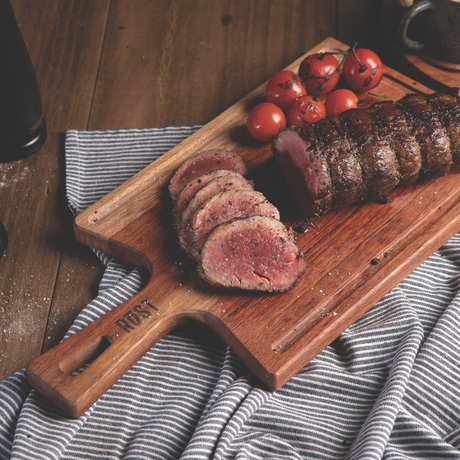


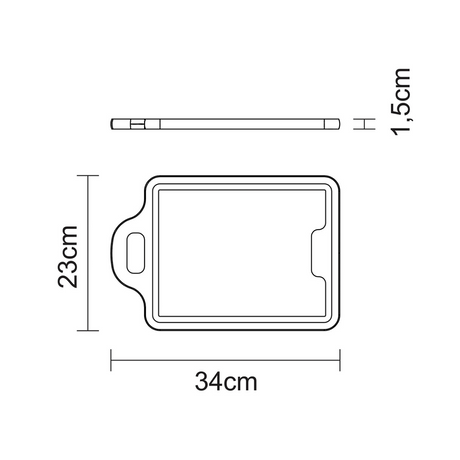
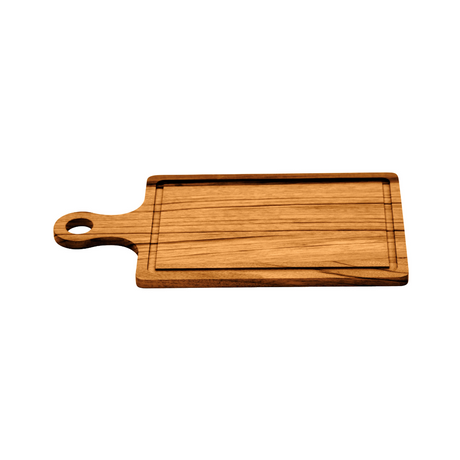
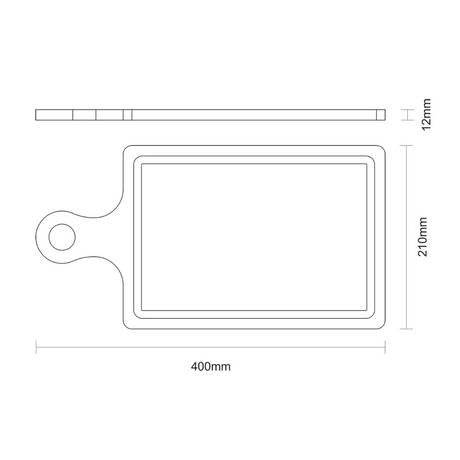
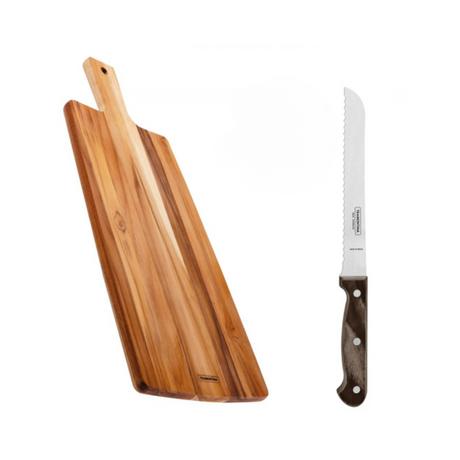
Why Choose a Wooden Chopping Board From Tramontina
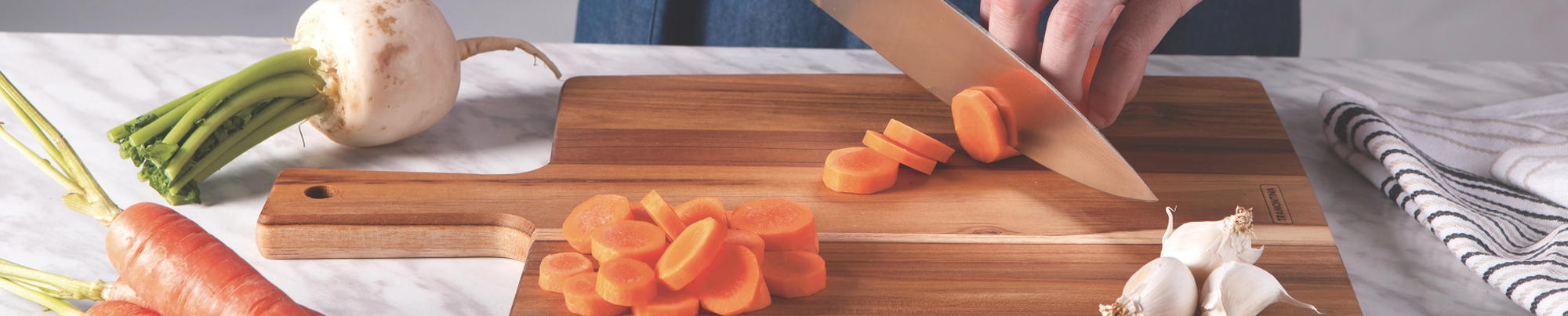
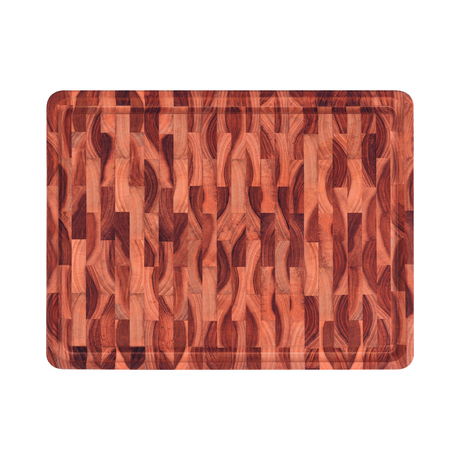
A wooden chopping board is one of those kitchen essentials you feel the difference with immediately. Compared to lightweight plastic boards, wood offers several practical advantages for daily cooking:
- Feels sturdier and stays in place during chopping, slicing, and carving
- Provides better control when handling heavier ingredients
- Creates a more confident and comfortable prep experience
Read More Close
Wood is also gentler on knife edges. Its naturally softer surface helps slow down blade wear compared to glass or stone surfaces, which can dull knives more quickly.
Tramontina’s wooden boards are designed with both function and presentation in mind:
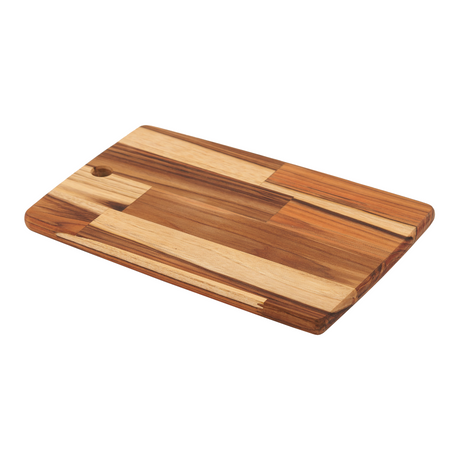
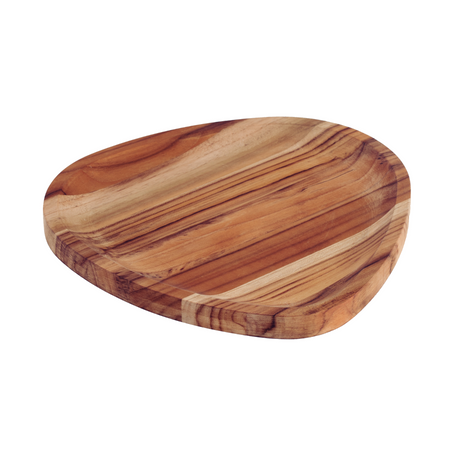
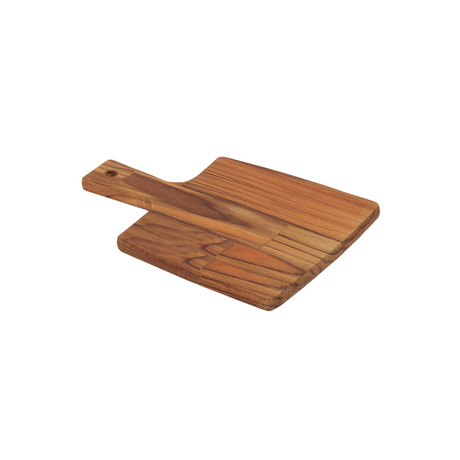
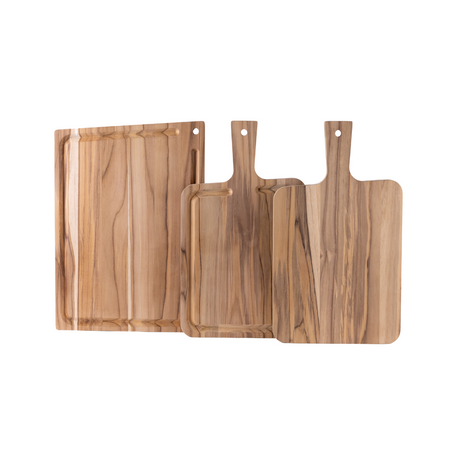
- Available in hardwood options such as Brazilian cherry and teak
- Finished with oil or mineral oil to enhance durability
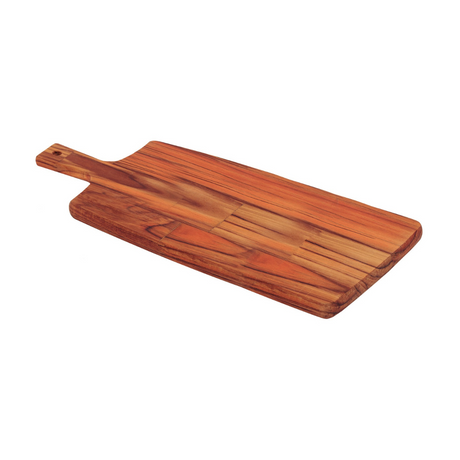
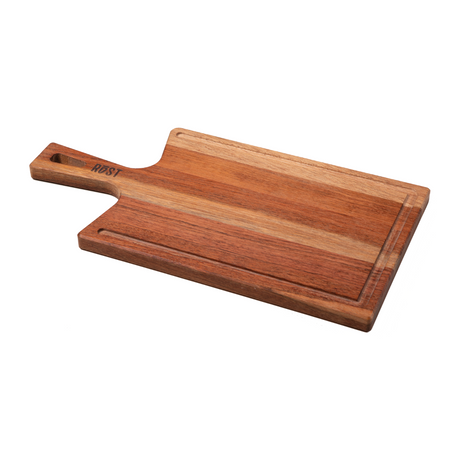
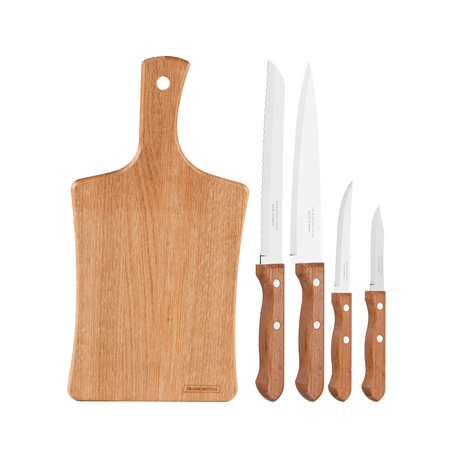
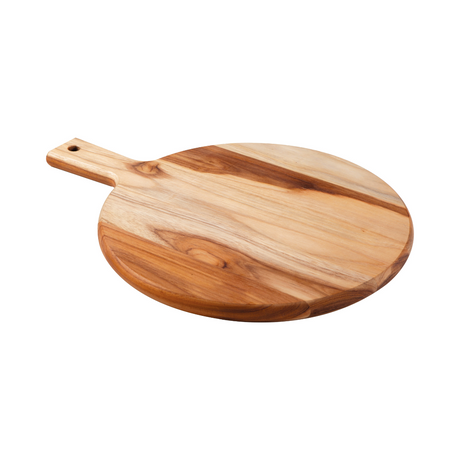
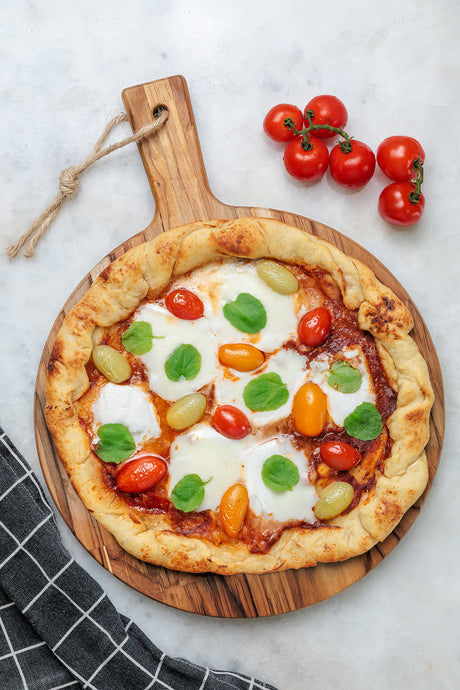
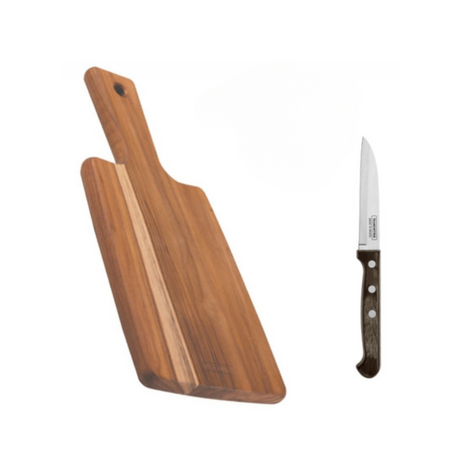
- Selected designs include handles for easier lifting and serving
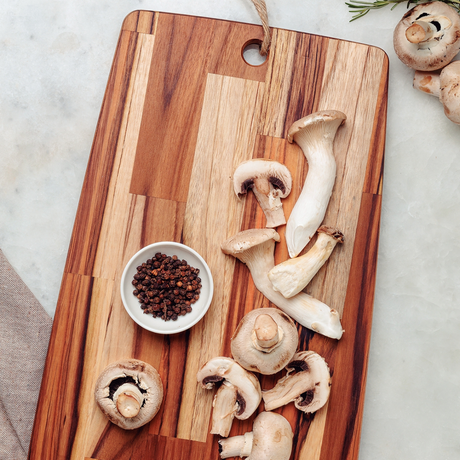
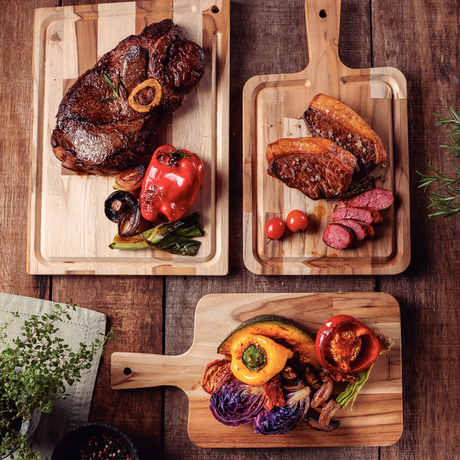
- Suitable for both food preparation and table presentation
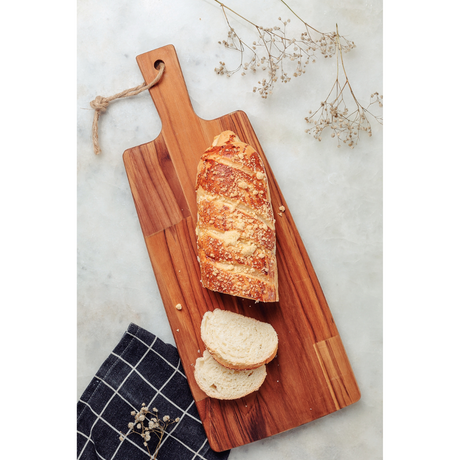
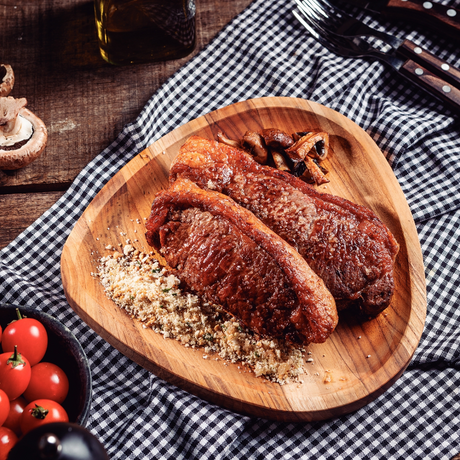
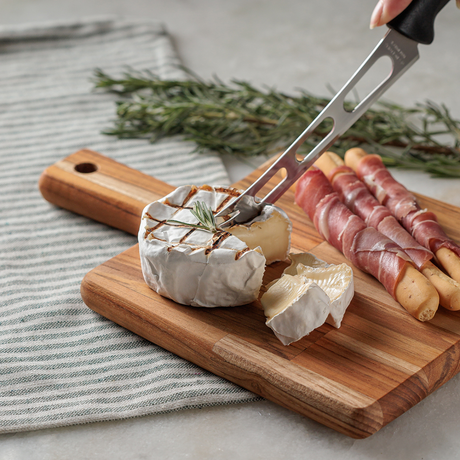
The natural grain and finish of wood also add warmth and elegance to the kitchen, making wooden boards ideal for serving bread, appetisers, or barbecue platters.
Differences Between a Chopping Board and a Cutting Board
In many kitchens, the terms chopping board and cutting board are used interchangeably. Still, there is a practical difference worth knowing, especially if you are deciding what to buy.
Chopping boards are typically:
- Thicker and heavier
- Designed for heavier prep tasks such as chopping dense vegetables or preparing meat
- More stable during tasks that require additional force
Cutting boards are usually:
- Lighter and easier to handle
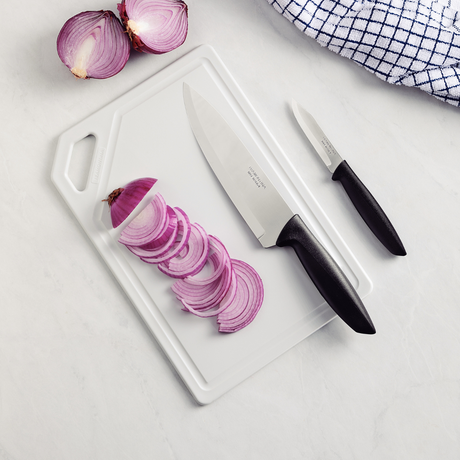
- Suitable for everyday slicing tasks such as fruits, vegetables, or bread
- Convenient for quick prep and frequent cleaning
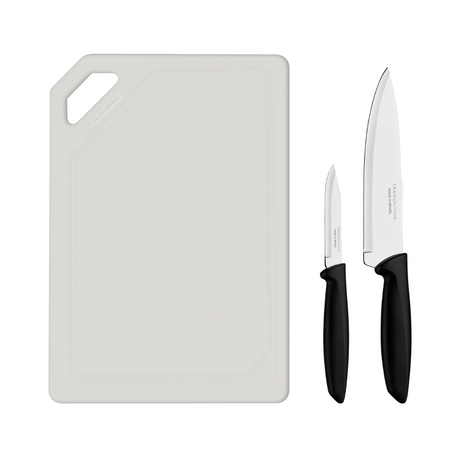
Tramontina also offers cutting boards made from polypropylene, designed for daily use:
- Easy to clean and low maintenance
- Selected models include built-in antimicrobial protection that helps inhibit the growth of bacteria and mould throughout the product’s lifespan
- Some options are dishwasher safe for added convenience
The Tramontina collection covers both heavy-duty chopping needs and everyday slicing, allowing home cooks to choose boards that match their routines.
Why You Need a Dedicated Carving Board for Meat and Roasts
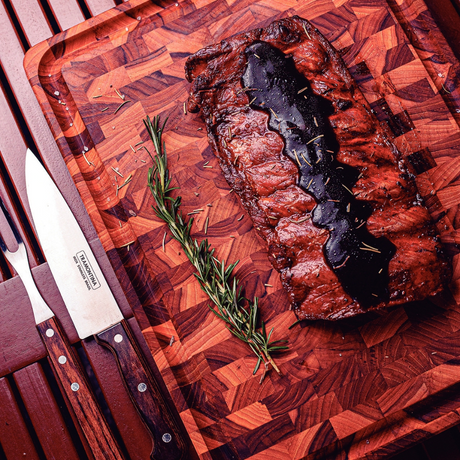
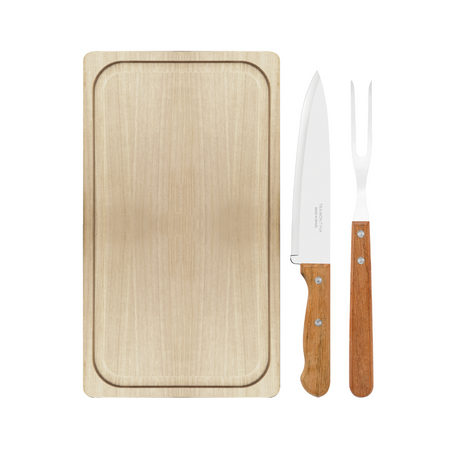
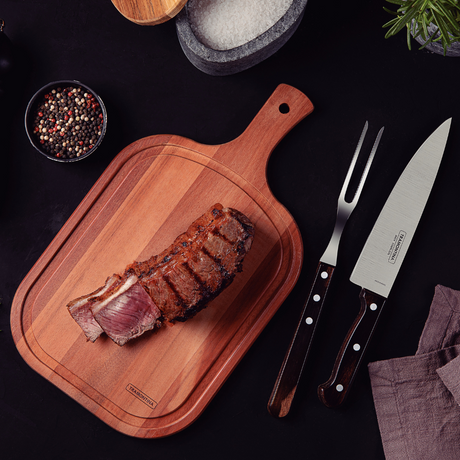
A carving board is built for a different job than an everyday chopping board. It has a groove or raised rim running around the edge, designed to catch the juices that come from a roast, turkey, or ham while it rests and gets carved at the table.
If your household regularly serves roasted meat, having a dedicated carving board keeps that job separate from daily prep work, and protects your chopping board from the extra wear that comes with carving large cuts.
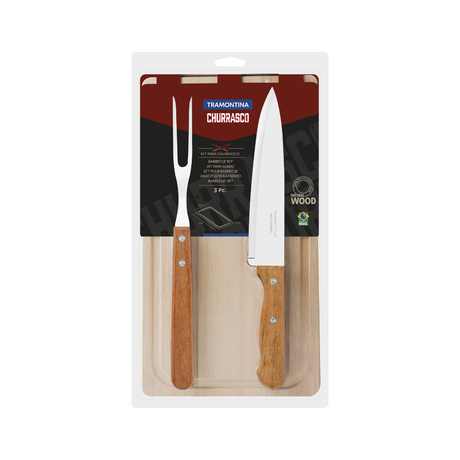
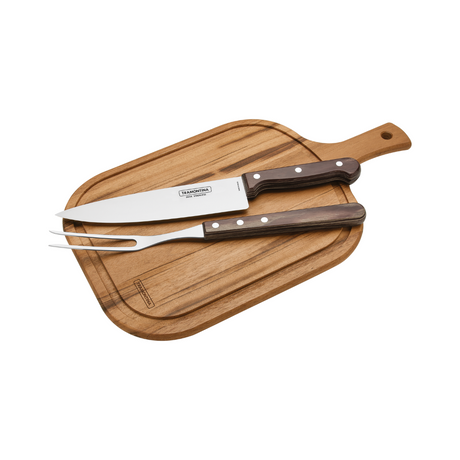
The Tramontina Churrasco Barbecue Cutting and Serving Board is built for exactly this. It has a wide, generous surface so a whole bird or a large roast has enough room to sit and be carved without crowding the knife, along with a deep juice groove that keeps liquid contained instead of running onto the counter or table.
How to Choose the Best Cutting Board Online
If you are aiming for the best chopping board for your kitchen, start with three things: material, size, and features.
Material
- Wooden chopping boards remain popular for durability, comfort, and appearance
- Tramontina offers boards made from hardwoods such as teak, valued for strength and resistance
- Some serving boards are crafted from FSC-certified wood with a mineral oil finish
- Selected designs combine wood with stone inserts, providing a refined surface for slicing cheese and stylish serving
Size
- Small boards: suitable for garnishes, herbs, and light prep
- Medium boards: ideal for daily cooking and routine meal preparation
- Large boards: function well as carving boards for meats and larger meals
Features
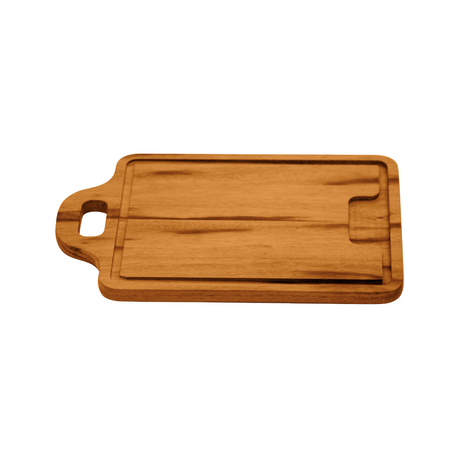
- Juice grooves help contain liquids when carving meat or slicing juicy produce
- Handles improve grip and make boards easier to move from kitchen to table
How to Clean and Maintain Your Wooden Chopping Board
Proper care helps a wooden chopping board stay in good condition over time.
Basic care steps include:
- Wash with warm, soapy water using a soft sponge
- Rinse thoroughly and dry immediately with a cloth
- Avoid soaking or immersing the board in water
Ongoing maintenance tips:
- Apply a small amount of mineral oil or vegetable oil about once a month
- Wipe away excess oil after application
- Store the board in a well-ventilated place
- Avoid stacking boards when they are still wet
Dishwashers must be avoided for wooden boards, as heat and prolonged water exposure may cause warping and reduced durability.
Upgrade Your Kitchen with Non-Toxic Boards from Tramontina in Singapore
A well-made chopping board supports smoother preparation, protects your knives, and enhances how your kitchen functions day to day. Tramontina’s chopping and serving boards are designed for practical home use, combining durability with clean, timeless design.
Browse our full chopping and serving board collection to find a size and style that suits your cooking routine. With reliable delivery across Singapore, upgrading your kitchen essentials is simple and convenient. Feel free to contact our team if you need more details.
FAQs About Chopping, Cutting & Serving Boards
Is a wooden chopping board better than plastic?
Is a wooden chopping board better than plastic?
Yes. Wood is naturally antibacterial because it draws moisture away from the surface, causing bacteria to die. Plastic boards develop deep cuts where bacteria can hide and grow.
How often should I oil my wooden cutting board?
How often should I oil my wooden cutting board?
You should oil your board once a month. If the wood looks dry, light in color, or feels rough to the touch, apply food-grade mineral oil immediately to protect it.
What is the difference between a carving board and a chopping board?
What is the difference between a carving board and a chopping board?
A carving board features a "juice groove" or trench around the edge to catch liquids from cooked meat. A chopping board typically has a flat surface designed for general slicing and dicing.
How long does a wooden chopping board usually last?
How long does a wooden chopping board usually last?
With proper care, a high-quality wooden board can last for years or even decades. Conversely, plastic boards often need replacing every few years once they become heavily scratched.
Are Tramontina chopping boards dishwasher safe?
Are Tramontina chopping boards dishwasher safe?
No. Never put a wooden chopping board in the dishwasher. The intense heat and water pressure will cause the wood to warp, crack, or split. Always hand wash them.
How to choose the right chopping board size for your kitchen?
How to choose the right chopping board size for your kitchen?
Start by measuring your available counter space. For general daily tasks like chopping vegetables, a medium board (approx. 30x20cm) is usually sufficient. If you frequently handle large cuts of meat or batch-cook, choose a larger size (40cm+) to keep ingredients from falling off. Keep a small "bar board" handy for quick tasks like slicing lemons.
Can I use olive oil or coconut oil to maintain my wooden cutting board?
Can I use olive oil or coconut oil to maintain my wooden cutting board?
No, you should avoid using cooking oils like olive, vegetable, or coconut oil for maintenance. These fats oxidize over time and turn rancid, which leaves the board with a bad smell and a sticky surface. Instead, use food-grade mineral oil or beeswax, as these do not spoil and effectively seal the wood against moisture.
Why are wooden chopping boards recommended for humid climates like Singapore?
Why are wooden chopping boards recommended for humid climates like Singapore?
In humid environments like Singapore, wood acts as a natural moisture regulator. However, low-density woods can swell and warp easily. Tramontina boards use dense tropical woods that resist excessive moisture absorption. This density keeps the board flat and stable, preventing the warping often seen in cheaper bamboo or soft wood alternatives.
How do I remove strong smells like garlic or onion from my cutting board?
How do I remove strong smells like garlic or onion from my cutting board?
If soap and water are not enough, use the salt and lemon method. Sprinkle coarse salt generously over the board, then scrub the surface with half a lemon, squeezing the juice as you scrub. Let the mixture sit for about 5 minutes before rinsing it off. The acid neutralizes the odors, and the salt lifts stubborn particles.
How to restore a scratched or worn wooden serving board?
How to restore a scratched or worn wooden serving board?
You can refresh a worn board without replacing it. First, lightly sand the surface with fine-grit sandpaper to smooth out knife marks. Wipe away all dust with a damp cloth. Finally, apply a generous coat of mineral oil and let it soak in overnight. This process brings back the rich color and smooth finish.
Can a wooden chopping board also be used as a serving board?
Can a wooden chopping board also be used as a serving board?
Yes. Many wooden chopping boards double up as serving boards, making them a versatile kitchen essential. Tramontina’s range includes boards with integrated handles and smooth, oil-finished surfaces that are well-suited for presenting cheese, charcuterie, bread, or barbecue platters at the table. Just make sure the board is cleaned thoroughly before serving, especially if it has been in contact with raw meat.
How do I know when my wooden cutting board needs oiling?
How do I know when my wooden cutting board needs oiling?
Oil your wooden cutting board once a month as a general rule. Signs that it needs attention sooner include the wood looking lighter or faded, feeling dry or rough to the touch, or water soaking in instead of beading up. When it is time, apply food-grade mineral oil, leave it overnight, then wipe away the excess.
Is a wooden chopping board sanitary enough for raw meat?
Is a wooden chopping board sanitary enough for raw meat?
Yes. Wood has natural properties that help reduce surface bacteria over time, making it a hygienic choice when properly maintained. Always wash the board with hot, soapy water immediately after handling raw meat and dry it upright. To avoid cross-contamination, it is best to keep a separate board dedicated to raw meat.