
 Save 50%
-
Save 34%SGD 35.90
SGD 54.00Unit price /Unavailable  Save 36%SGD 69.90
SGD 110.00Unit price /Unavailable-
Sold outSave 25%SGD 164.90
SGD 220.00Unit price /Unavailable -
Save 28%SGD 129.00
SGD 180.00FromUnit price /Unavailable -
Save 27%
-
Save 39%SGD 36.90
SGD 60.00FromUnit price /Unavailable -
Save 38%SGD 73.90
SGD 120.00Unit price /Unavailable -
Save 29%SGD 49.90
SGD 70.00Unit price /Unavailable -
Save 32%SGD 21.90
SGD 32.00Unit price /Unavailable -
Save 35%SGD 77.90
SGD 120.00Unit price /Unavailable -
Save 39%SGD 79.90
SGD 130.00Unit price /Unavailable -
Save 50%SGD 14.90
SGD 30.00Unit price /Unavailable -
Save 41%SGD 11.90
SGD 20.00Unit price /Unavailable -
Save 28%SGD 17.90
SGD 25.00Unit price /Unavailable -
Save 40%
-
Save 27%SGD 68.90
SGD 95.00Unit price /Unavailable -
Save 51%SGD 26.90
SGD 55.00Unit price /Unavailable -
Save 20%SGD 19.90
SGD 25.00Unit price /Unavailable -
Save 28%SGD 35.90
SGD 50.00Unit price /Unavailable -
Save 29%SGD 34.90
SGD 49.00Unit price /Unavailable -
Save 31%SGD 33.90
SGD 49.00Unit price /Unavailable -
Save 26%SGD 11.90
SGD 16.00Unit price /Unavailable -
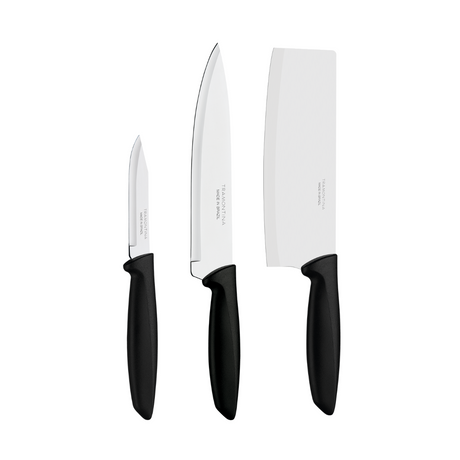
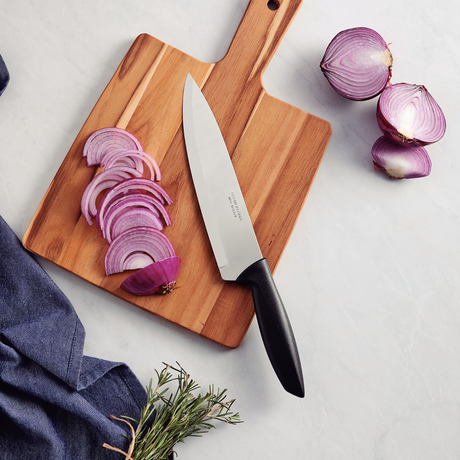

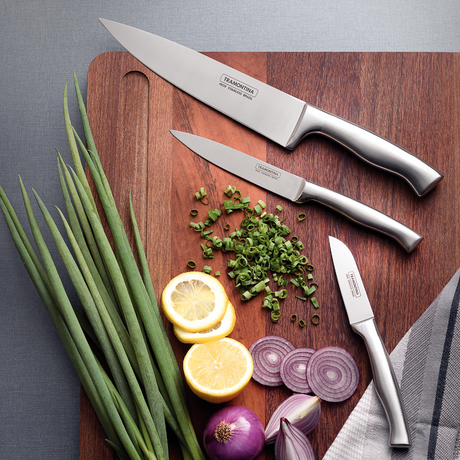
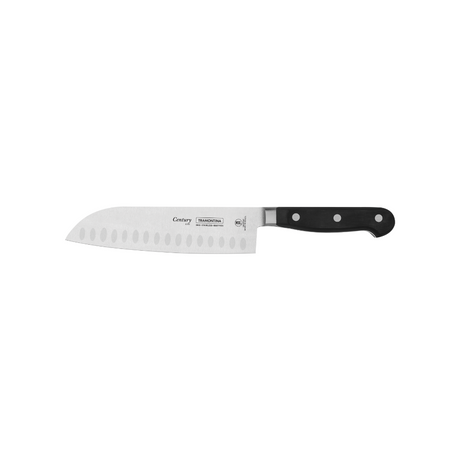
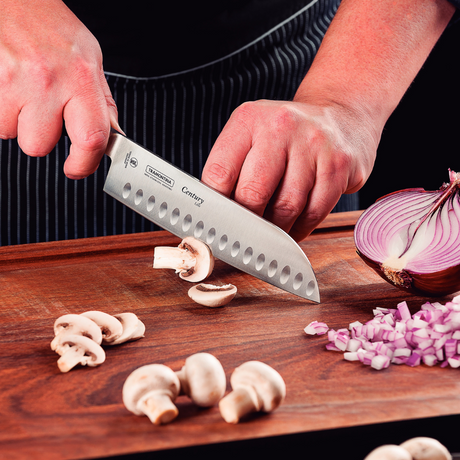
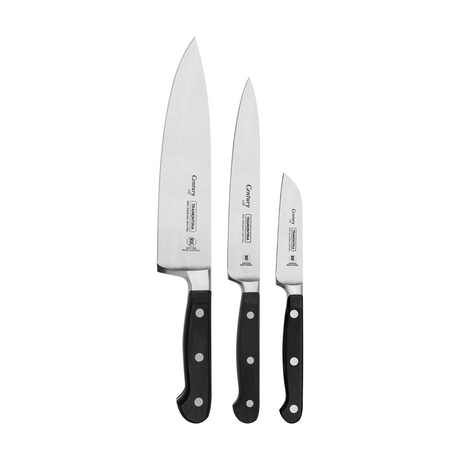
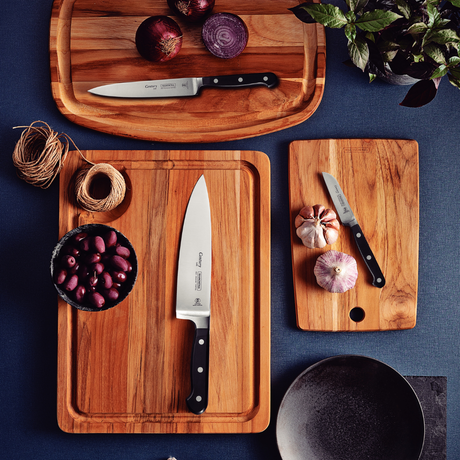
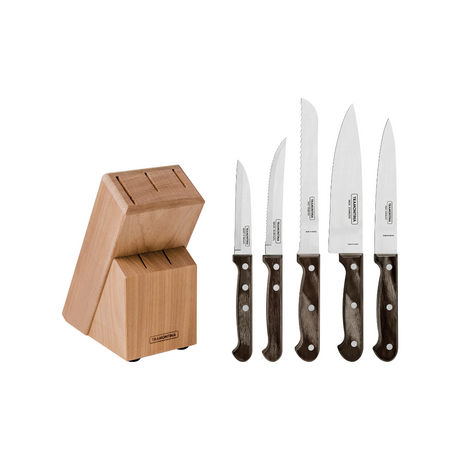
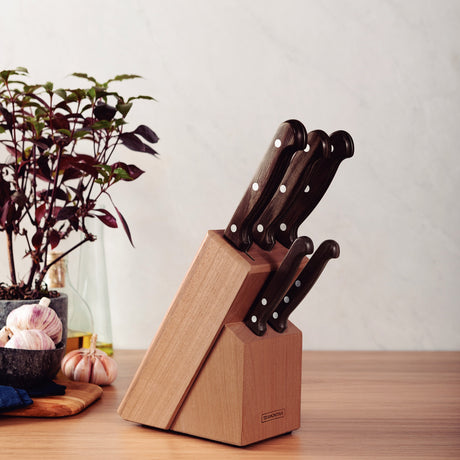


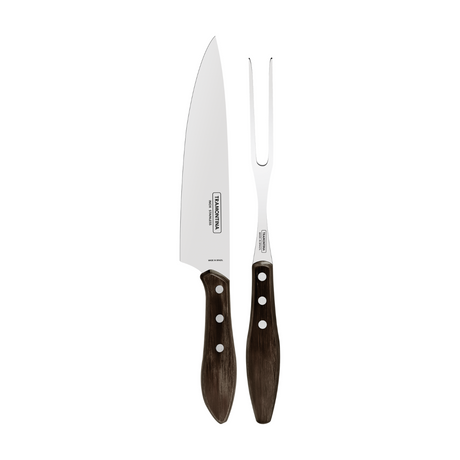
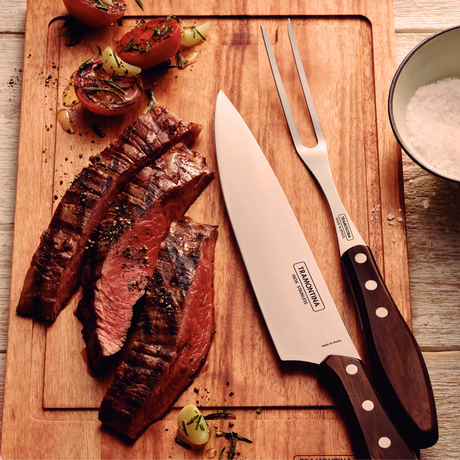
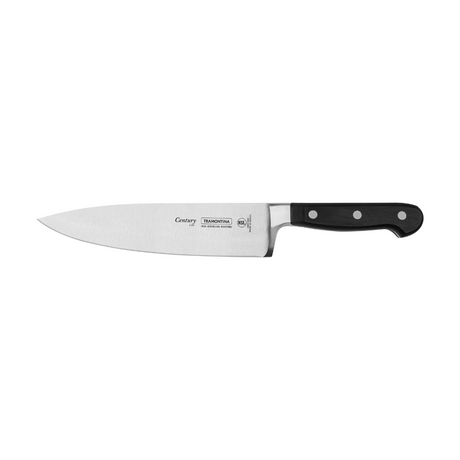
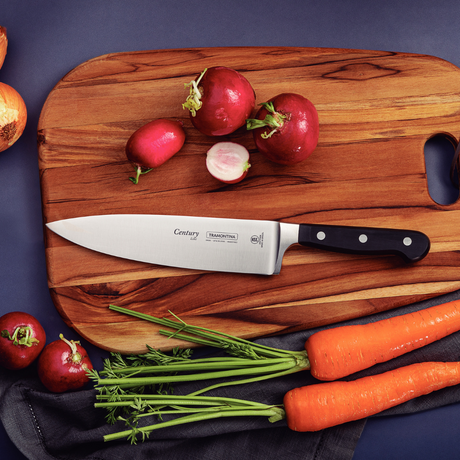
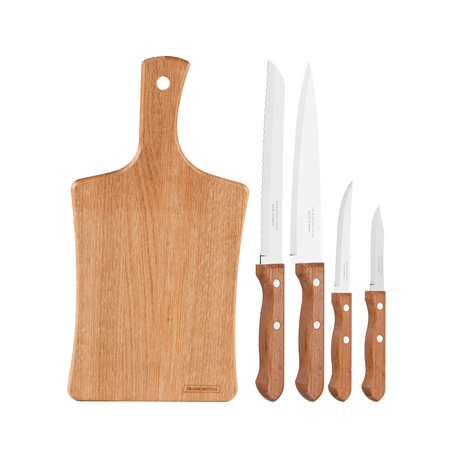
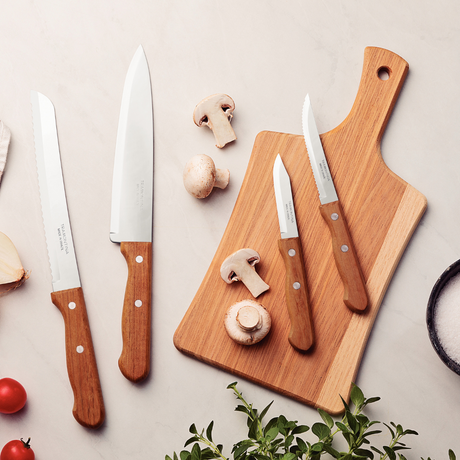
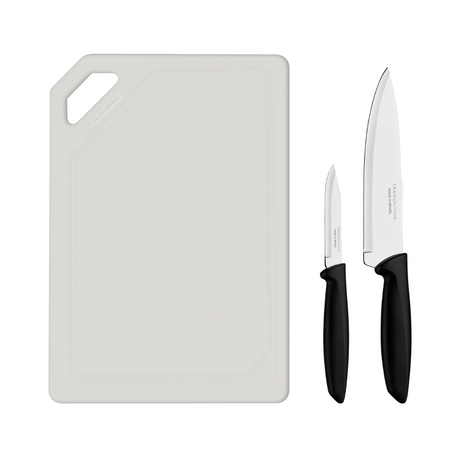
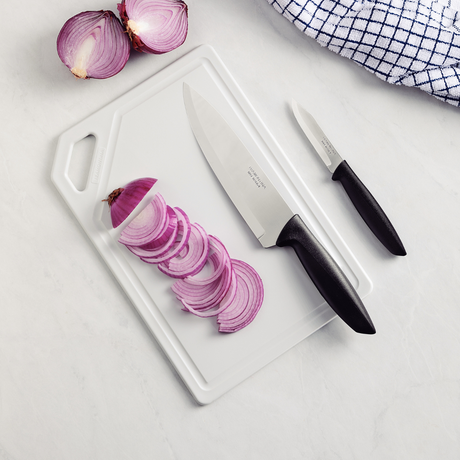
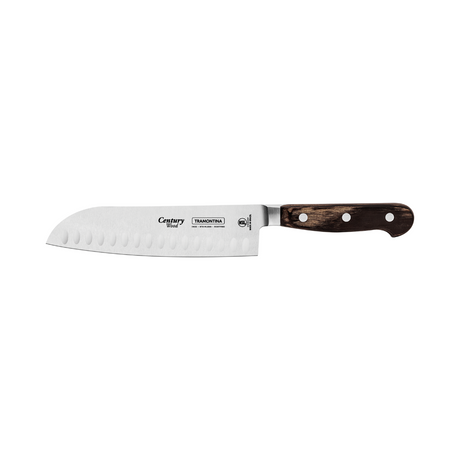
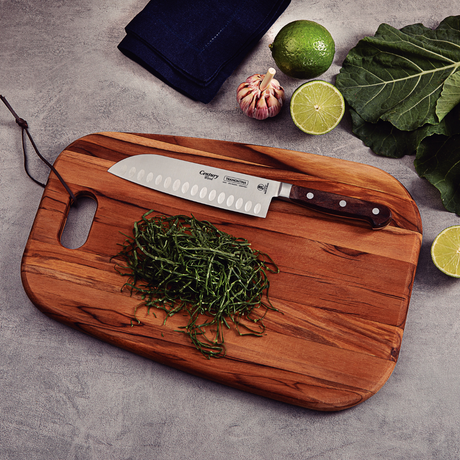
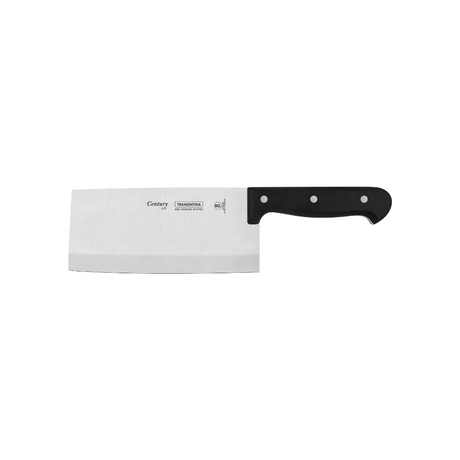
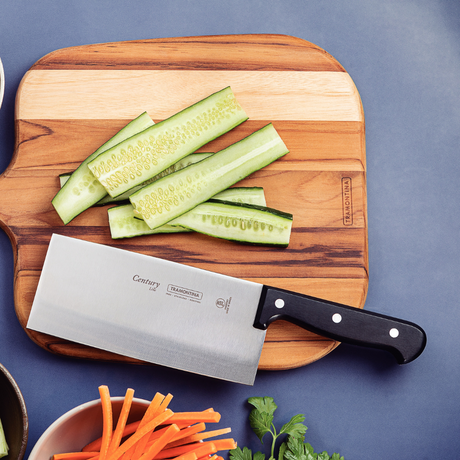
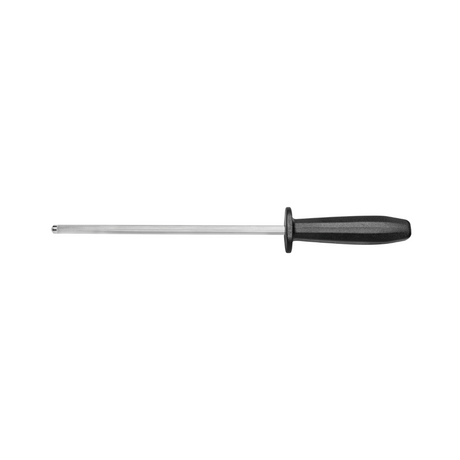
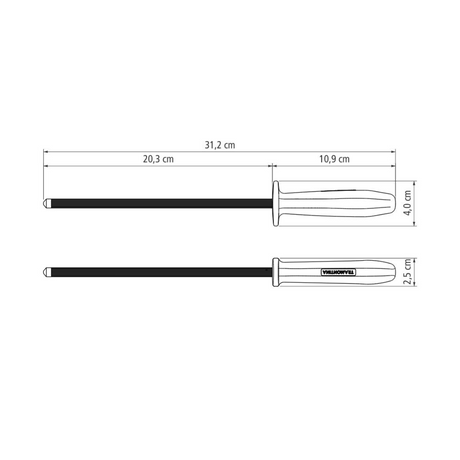
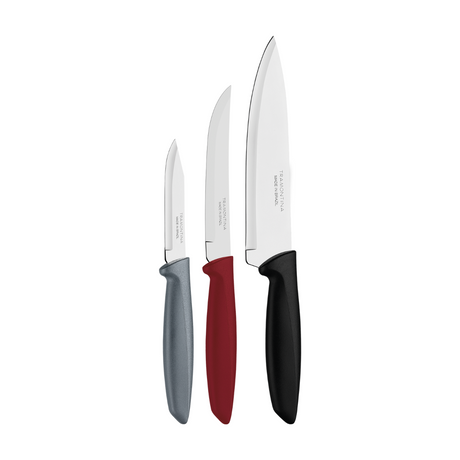
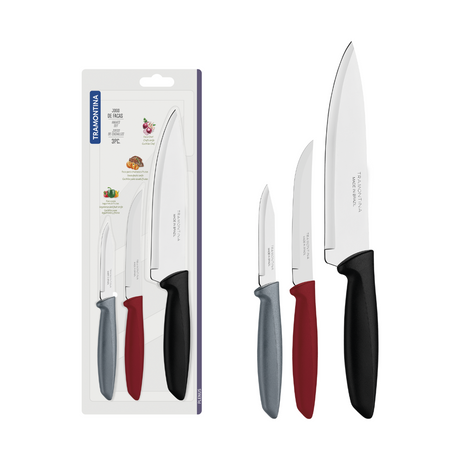
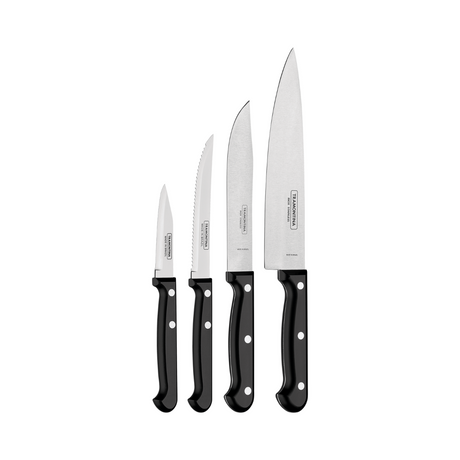
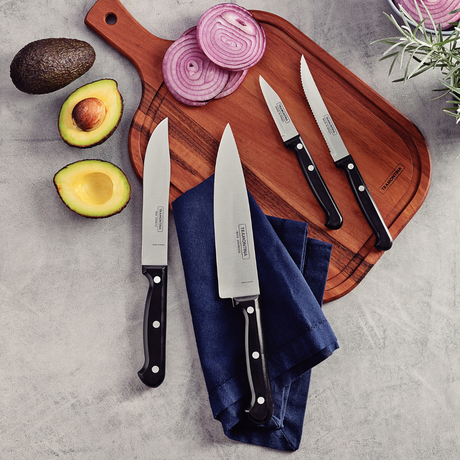
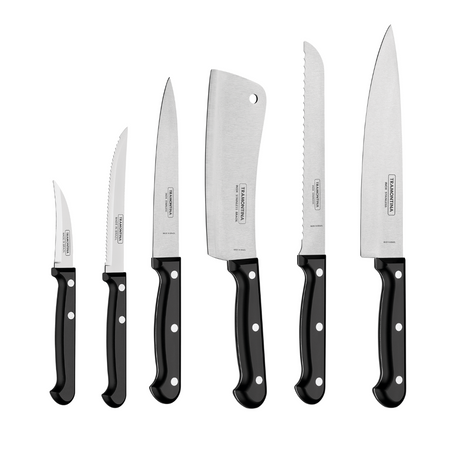
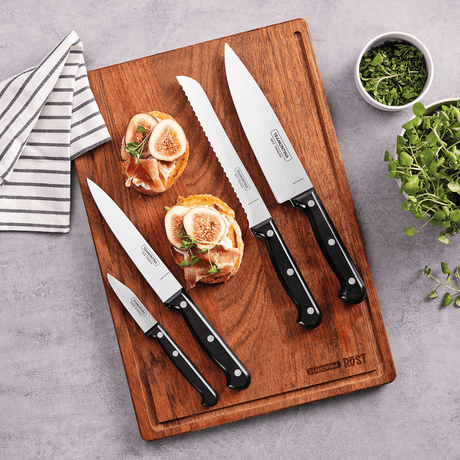
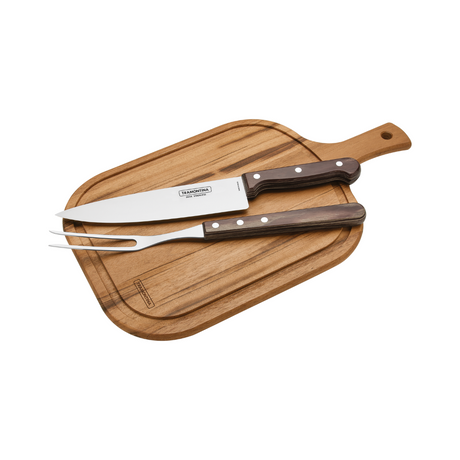
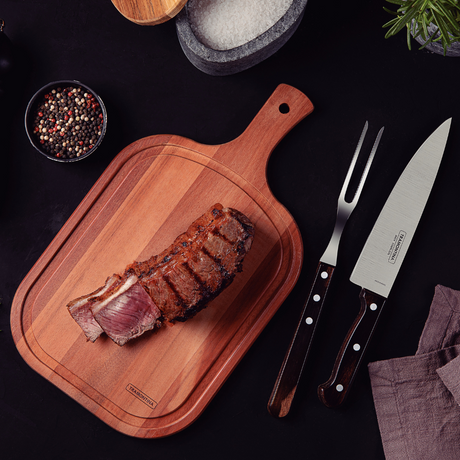
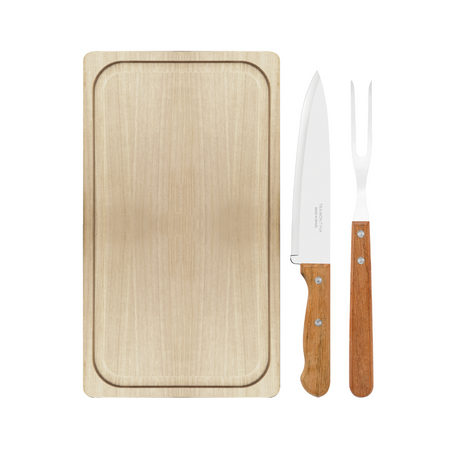
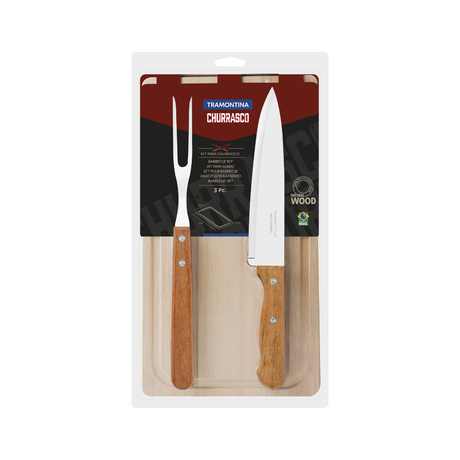


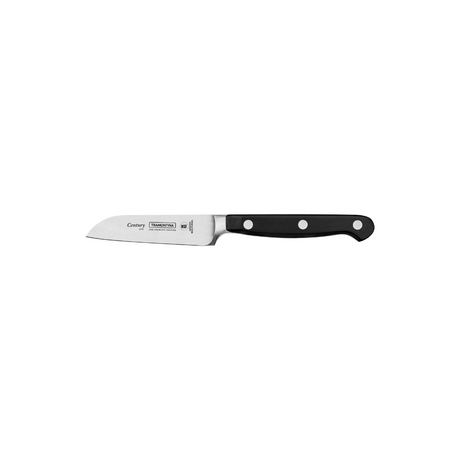
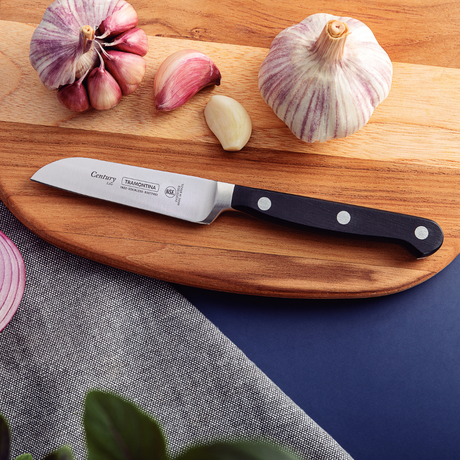


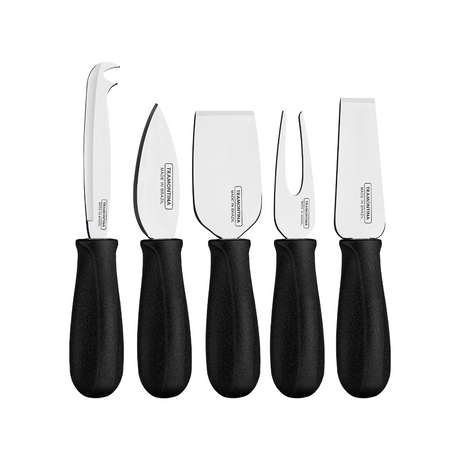
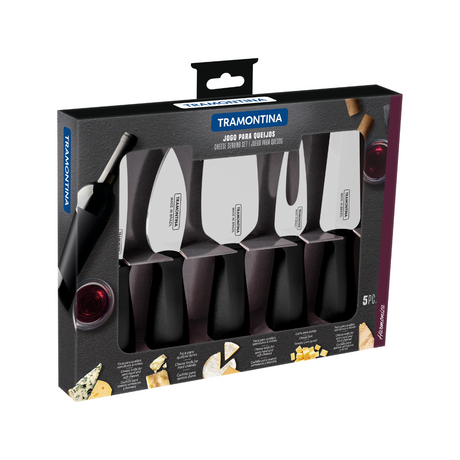
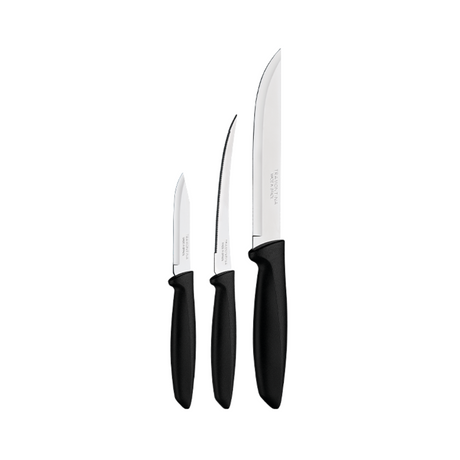
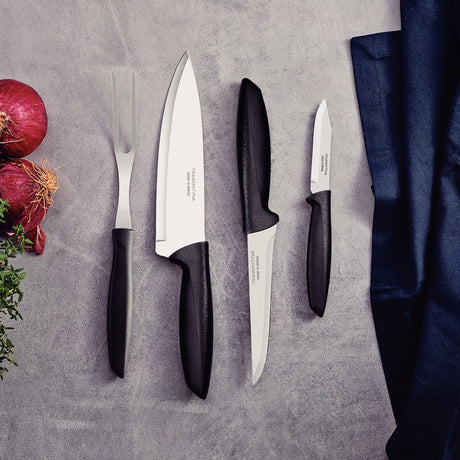


Every truly great meal starts with a good knife. That’s why Tramontina’s kitchen knife collection is here to be your ultimate shortcut to precision. These aren't just tools; they're the gear that makes the whole process from prepping to plating feel satisfying.
Read More Close
Whether you're someone who only chops veggies once a week or a total food enthusiast tackling massive holiday spreads, we’ve got a high-quality kitchen knife for you. Our collection covers everything: from the workhorse chef's knives and heavy-duty cleavers to delicate boning knives and the perfect serrated-edged bread knives.
Why Our Kitchen Knives Just Feel Better to Use
When you pick up a Tramontina kitchen knife, you’re holding a century of blade-making history. We focus on three simple things that make a huge difference in your cooking life:
High-Quality Stainless Steel Blades
We make our kitchen knives from high-quality stainless steel and sharpen them expertly so they hold a consistent edge. What does that mean for you? It means less time sharpening and more time chopping. You’ll get clean, confident cuts every single time you cook, year after year. That kind of trusted performance is what makes prep work so much smoother.
Perfectly Balanced for Precision
Have you ever used a knife that felt awkward or heavy? Not these. We design every single piece in the collection for perfect balance. This means the knife feels like a natural extension of your hand. That balance helps you keep control, so you can chop longer without your hand cramping up.
Ergonomic Handles for Every Chef
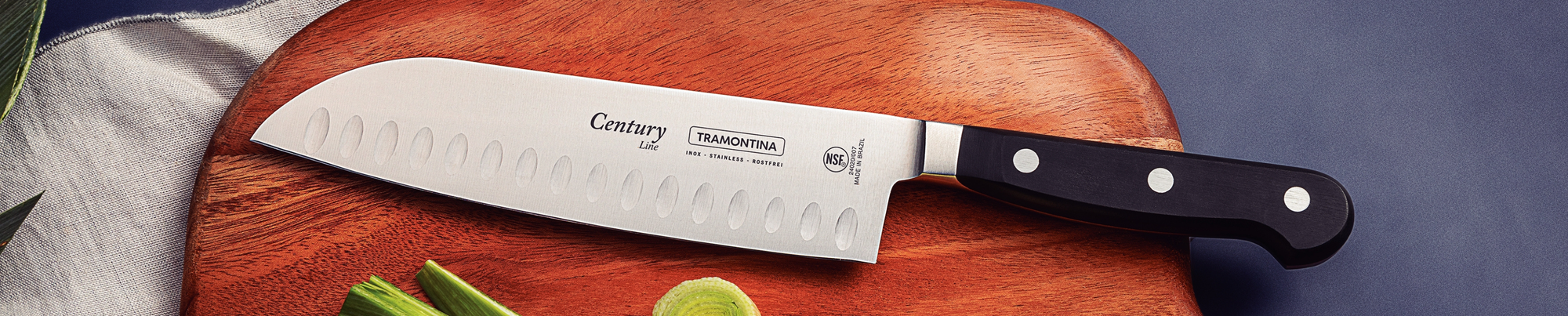
We know cooking often involves long prep sessions. That’s why we give special attention to our handles. They’re ergonomic, meaning they fit securely and comfortably in your grip. Whether you choose our professional-grade Century line or the incredibly robust Polywood knives (famous for their durable, treated handles), you’ll find a knife that feels right and helps you power through without the fatigue.
Why Buy Professional Quality Kitchen Knives from Tramontina
Tramontina kitchen knives are built for performance, durability, and comfortable daily use. Several details make a clear difference the moment the knife hits the cutting board:
- Heat-treated stainless steel blades
Many Tramontina knives use stainless steel blades with heat treatment designed to improve edge durability. This supports a longer-lasting cutting edge and consistent slicing across everyday ingredients. - Ergonomic, secure handling
Good balance matters for control, especially for repeated chopping. The Tramontina Century line highlights balance and comfort through its ergonomic handle design, supporting longer prep sessions with less fatigue. - Polywood handle technology for daily kitchen routines
Polywood knives use treated handles designed to resist impact and high temperatures. Many Polywood knives are also dishwasher safe, which helps busy kitchens keep maintenance simple. - NSF certification on the Century line
The Tramontina Century line is NSF certified and designed for intense use, which reinforces sanitation standards that matter in professional kitchens.
Tramontina’s knife range includes both individual knives and knife sets, so home cooks can start with one essential kitchen knife and build up over time, or upgrade straight into a full knife set.
Find the Best Knife Set for Your Kitchen in Singapore
A knife set helps create a more consistent cooking workflow. Instead of mixing random knives with different weights and grips, a kitchen knife set keeps performance and handling more uniform.
Benefits of buying a knife set include:
- A good quality knife set costs less overall than buying the same knives one by one
- Matching handles and blade balance across the set
- Easier storage, especially with a countertop block that keeps knives accessible
A practical way to choose a knife set:
- Beginner home cooks: start with a smaller set that covers the basics
Focus on a chef knife or kitchen knife, plus a bread knife and smaller prep knife. - Enthusiasts who cook often: choose a more complete set with additional specialty blades. Look for sets that include more sizes and task-specific options to match your cooking style.
Tramontina knife sets are available in different configurations to suit various cooking needs. Depending on the set, they may include:
- A chef knife or kitchen knife for everyday prep
- A bread knife for crusty loaves
- Smaller knives such as paring, utility, or steak knives
- Selected sets include a knife block or a cutting and serving board for added convenience
This allows home cooks to choose a knife set that fits their cooking habits, available space, and preferred setup.
Understanding Different Types of Kitchen Knives
Each knife serves a specific purpose in the kitchen to solve different prep tasks. A small selection of the right blades often covers most daily cooking needs.
-
Chef Knife
A chef knife is the all-purpose workhorse for chopping vegetables, slicing proteins, and general prep. -
Santoku Knife
A santoku knife suits slicing, dicing, and mincing with a lighter feel and a flatter cutting edge. -
Boning Knife
A boning knife supports meat prep by helping separate meat from bone and trimming with better control. -
Cleaver Knife
A cleaver knife is a heavy, rectangular blade built for chopping through bone and tougher cuts of meat. The tool to reach for when a chef's knife isn't strong enough for the job. -
Bread Knife
A bread knife, sometimes called a serrated knife for its saw-like edge, slices through crusty bread without crushing the soft inside.
A practical setup usually includes one main kitchen knife (chef knife or santoku), one bread knife, and one smaller blade for detail work. Additional knives can be added based on cooking habits and meal preferences.
What Makes a Good Quality Knife Set
A good quality knife set is judged by more than the price on the box. It's about how much you end up spending over the years you actually use it.
Signs a set is cutting corners:
- The edge dulls within weeks, meaning more trips to a sharpener or an early replacement
- The blade develops a wobble or looseness at the handle after a few months of regular use
Signs a set is built to last:
- The edge still cuts cleanly weeks after the first use, not just fresh out of the box
- The blade-to-handle joint stays solid with no give, even after months of daily prep
Judged this way, a set that costs more upfront but holds its edge and its structure for years works out cheaper than replacing a low-cost set two or three times over the same period. The real price of a knife set is what it costs you over time, not what it costs at checkout.
Shop High Quality Kitchen Knife Sets in Singapore
Ready to swap out those dull, mismatched blades for tools that genuinely help you cook better? Explore our range of individual specialty kitchen knives and complete sets today. See for yourself why Tramontina has been the secret weapon in kitchens around the world for generations.
FAQs About Knives
How often should I sharpen my Tramontina kitchen knives?
How often should I sharpen my Tramontina kitchen knives?
For daily use, sharpen your blades every 2 to 3 months using a whetstone or electric sharpener. To maintain the edge between deep sharpening sessions, use a honing steel once a week to realign the blade.
Can I use my knife sharpener to sharpen scissors?
Can I use my knife sharpener to sharpen scissors?
No, most knife sharpeners will damage scissors. Scissors require a specific grinding angle that differs from kitchen knives. Use a dedicated scissor sharpener or a professional service to restore their cutting ability.
Are Tramontina stainless steel knives dishwasher safe?
Are Tramontina stainless steel knives dishwasher safe?
Yes, many lines like the Polywood series are dishwasher safe. However, we recommend hand washing and drying immediately. High heat and harsh detergents in dishwashers can dull the blade and fade the handle finish over time.
What makes Tramontina Polywood handles different from standard wooden handles?
What makes Tramontina Polywood handles different from standard wooden handles?
Polywood handles undergo a specific treatment process that makes them resistant to heat, impact, and moisture. Unlike traditional wood, they do not crack or rot when exposed to water and are certified safe for dishwasher use.
Do Tramontina kitchen knives come with a warranty in Singapore?
Do Tramontina kitchen knives come with a warranty in Singapore?
Yes, Tramontina Singapore covers manufacturing defects for kitchen knives. This warranty applies to material faults but does not cover damage resulting from misuse, drops, or lack of proper maintenance.
What is the best knife for cutting crusty bread?
What is the best knife for cutting crusty bread?
A serrated bread knife is the only tool for this job. The saw-like teeth slice through hard crusts without crushing the soft interior, which a smooth blade cannot do effectively.
When should I use a boning knife instead of a standard kitchen knife?
When should I use a boning knife instead of a standard kitchen knife?
You need a boning knife when separating meat from the bone or filleting fish. A standard Chef's knife is too wide and stiff for this task. The boning knife has a narrow, flexible blade that curves around joints and bones, allowing you to remove meat with minimal waste and higher precision.
How do I choose the best kitchen knife set for a beginner home cook?
How do I choose the best kitchen knife set for a beginner home cook?
Avoid large blocks with 20 pieces you will never use. Focus on a set that contains these essential knives: a Chef's or Santoku knife for main prep, a serrated bread knife for loaves and soft fruits, and a paring knife for peeling. This combination covers 90% of kitchen tasks without cluttering your kitchen top.
Why is high-carbon stainless steel better for kitchen knives?
Why is high-carbon stainless steel better for kitchen knives?
This material offers a practical balance for home cooks and professionals. The high carbon content allows the blade to take a sharper edge and hold it longer than standard steel. Meanwhile, the stainless component prevents rust and corrosion, making the knife easier to maintain than pure carbon steel alternatives.
How do I remove rust spots from my kitchen knife if they appear?
How do I remove rust spots from my kitchen knife if they appear?
Even high-quality stainless steel can develop spots if left wet. To fix this, make a thick paste using baking soda and water, or use a few drops of lemon juice. Rub the solution gently over the spot with a soft cloth, let it sit for a minute, then rinse and dry thoroughly.
What should I look for in a good quality kitchen knife set?
What should I look for in a good quality kitchen knife set?
A good quality kitchen knife set comes down to two things: the steel and the handle. Heat-treated stainless steel, used across Tramontina's range, holds a sharper edge for longer and resists corrosion better than untreated steel. The handle matters just as much. A well-balanced grip keeps control steady during long prep sessions instead of tiring out your hand. For the set itself, look for a mix that covers a chef or santoku knife, a serrated bread knife, and a smaller prep knife, which handles most kitchen tasks without paying for blades you won't use.